design and construct with Tiny Home Builder
How to Choose the Right Home Builder: A Step-by-Step Guide
Choosing the ideal home builder is a significant step. It necessitates careful review of numerous factors, including track record, standing, and communication approach. A thorough evaluation can highlight essential information that shape the entire building experience. Acknowledging these components helps guarantee a productive partnership. However, understanding where to begin can be daunting. What key criteria should one consider in this significant decision?
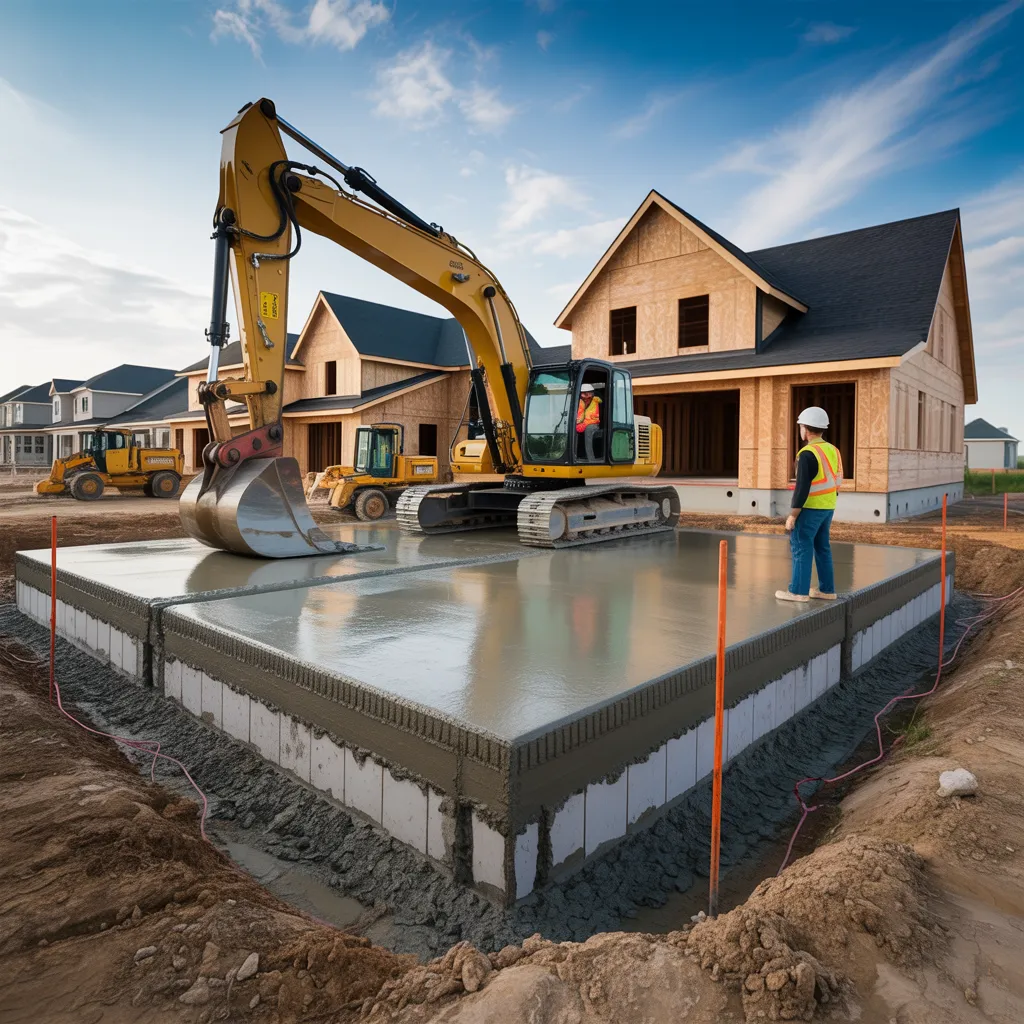
Assessing Builder Experience and Portfolio
When selecting a home builder, a strong portfolio and proven experience serve as essential indicators of expertise. Builders with extensive experience often show a deeper understanding of design trends, construction processes, and local regulations. Such expertise can significantly impact the overall quality and effectiveness of the project.
A carefully assembled portfolio showcases a contractor's range of work, presenting a variety of styles and levels of complexity. Potential clients should examine completed projects to gauge the contractor's quality of work, attention to detail, and proficiency in delivering project expectations.
Furthermore, the body of work can showcase the builder's flexibility to diverse environments and client needs. Partnering with builders who have a track record of completed projects can build trust in their capability to fulfill commitments. When all is considered, reviewing credentials and portfolio helps homeowners arrive at educated choices, ensuring their investment aligns with their desired outcomes and personal expectations.
How to Evaluate Reviews and Reputation?
How can prospective homeowners effectively assess a builder's reputation? Among the most dependable approaches is reviewing feedback on platforms like Google, Yelp, and dedicated construction websites. This feedback commonly delivers meaningful information about former clients' interactions, revealing both positive qualities and areas of concern. Additionally, checking social media can reveal real-time feedback and community interactions.
It is also recommended that homeowners obtain suggestions from friends, family, or local real estate agents, as word-of-mouth recommendations frequently hold considerable value. Furthermore, examining the builder's reputation through local business bureaus may reveal existing complaints or outstanding concerns.
For a thorough view, it is recommended to reach out to former clients personally, asking precise inquiries about their overall satisfaction and workmanship quality. By integrating these methods, prospective homeowners can build a thorough awareness of a builder's reputation, resulting in a better-informed choice.
How to Communicate Effectively With Your Builder
Creating open communication with a home builder is crucial for a successful home development project. Effective communication ensures that both parties have clarity on requirements, schedules, and foreseeable issues. It begins with an initial conversation where residents can share their vision, financial expectations, and any unique specifications. Ongoing correspondence, whether through written correspondence, phone calls, or face-to-face discussions, help maintain clarity.
Homeowners are advised to foster an open dialogue, enabling the builder to provide updates and valuable insights. This two-way communication fosters trust and can lead to more efficient problem-solving. It is equally important for homeowners to keep a record of discussions and decisions to prevent future misunderstandings.
Setting clear milestones and deadlines can significantly strengthen communication, ensuring that the project remains on schedule. Ultimately, clear and consistent communication not only reduces tension but also promotes a more streamlined construction process, resulting in a home that fulfills the homeowner's vision.
How Your Home Builder Selects Materials
Transparent communication establishes the foundation for understanding how builders select materials for a construction project. Contractors generally evaluate multiple factors, such as the project's design, regional building codes, and the client's preferences. Such experts routinely focus on quality and resilience, opting for materials that meet or exceed industry standards.
Sustainability is another critical aspect, with numerous contractors integrating sustainable choices to cater to eco-aware clientele. Builders frequently partner with material providers to ensure consistent access to particular resources, with careful attention to deadlines and cost considerations.
In addition, contractors evaluate the costs and performance of materials, measuring the benefits of several alternatives against associated risks. This meticulous review process helps verify that the final decision matches the homeowner's expectations while offering both structural strength and visual attractiveness. At the end of the day, the choice of materials reflects both the builder's expertise and the joint input provided by the homeowner.
Understanding Fair Pricing Structures
Comprehending fair pricing structures is essential for potential homeowners. A detailed cost breakdown permits clients to see exactly where their investment is directed, while comparing price quotes helps guarantee they are receiving competitive quotes. This clarity can significantly impact the selection process when choosing a contractor.
Open Cost Overview
How can prospective homeowners guarantee they are getting a fair deal when hiring a builder? A transparent cost breakdown is essential for understanding fair pricing structures. Construction professionals should supply thorough estimates that detail every cost involved, encompassing materials, labor, permits, and potential unexpected charges. This clarity not only fosters trust but also enables homeowners to assess where funds are allocated. Potential homeowners should ask about the pricing approach employed, confirming it meets industry benchmarks. A reliable construction professional will openly communicate their pricing framework, addressing any fluctuations in costs. This openness allows homeowners to make informed decisions and minimizes the risk of hidden fees or last-minute charges, ensuring a smoother building experience.
Comparing Quote Estimates
When examining potential builders, comparing quote estimates proves to be a critical step in securing transparent pricing arrangements. Potential homeowners should obtain numerous bids to understand the market average and identify discrepancies. Each estimate should feature an itemized list of expenses, encompassing materials, labor, and any additional fees. This clarity aids in assessing whether an estimate is reasonable or excessive. Prospective owners should further question about the methodology behind each estimate, as different builders may use varying standards for workmanship and supplies. It is essential to consider not only the overall price but also the standard of materials and services offered. By thoroughly examining these quotes, prospective owners can arrive at well-considered choices and identify a builder that suits their budget and requirements.
Essential Questions to Ask Before Signing
Before finalizing a contract with a house builder, it is vital to ask specific questions about their skills and experience. Moreover, confirming their licensing and insurance can provide peace of mind relating to authenticity and coverage. Finally, understanding the warranty and aftercare services offered can help ensure sustained value from the investment.
Experience and Expertise
Selecting a home builder requires close examination of their knowledge and skills, as these qualities heavily affect the caliber of the finished home. Prospective homeowners should look into the builder's years in the industry and the kinds of properties they focus on. Seeking samples or references of past work can shed light on their skill level and customer experience. It is also advantageous to understand the builder's strategies regarding problem-solving and project management, as these abilities can affect timelines and budgets. Moreover, exploring any industry awards or distinctions achieved can highlight their standing in the industry. Ultimately, a builder's knowledge and skills should match the homeowner's vision and expectations for their new home.
Insurance and Licensing
A complete understanding of insurance and licensing is essential for homeowners in the process of selecting a contractor. Homeowners should first verify that the builder holds a valid license, as this demonstrates adherence to local codes and regulations. It is prudent to request documentation of the license, ensuring it is up to date and suitable for the construction type being planned.
Insurance coverage is equally vital. Homeowners should inquire about general liability insurance, which protects them from potential damages, and workers' compensation insurance, protecting against on-site injuries. A trustworthy builder should study readily supply documentation of both. This due diligence not only protects the homeowner's investment but also fosters trust in the builder's professionalism and commitment to quality.
Warranty and Aftercare Services
Understanding warranty and aftercare services is a essential consideration after establishing a construction company's insurance and licensing. Future homeowners should inquire about the specifics of the warranty plan, including its timeframe and what it encompasses. Important questions to ask are: What is the procedure for making a claim? Are there any exclusions or limitations? Moreover, it's important to evaluate the aftercare services offered. Buyers should inquire how the construction company manages problems following construction, such as repairs or maintenance. They should also investigate the accessibility of support services and turnaround times for support inquiries. A builder's dedication to warranty and aftercare services can significantly influence the lasting contentment with the property, making these considerations necessary before completing any arrangements.
Common Questions and Answers
What Warranties Do Home Builders Typically Offer After Project Completion?
Home construction companies generally provide warranties that protect against structural defects for ten years, systems and appliances for a period of one to two years, and workmanship for a single year, providing coverage for potential problems following project completion.
How Do Builders Address Unexpected Project Delays or Challenges?
Builders commonly manage unanticipated construction delays by communicating transparently with stakeholders, assessing the root cause, and providing updated schedules. They often deploy backup strategies and negotiate solutions to limit the effects, guaranteeing the continuation of work and stakeholder confidence.
Can I Customize My Home Design With Any Builder?
Not every builder permits home design customization. Some provide predetermined floor plans, while others provide flexible options. Potential buyers ought to explore customization possibilities to ensure their ideas match what the builder provides.
What Financing Options Do Home Builders Offer for New Homes?
Home constructors commonly provide a variety of funding solutions, including in-house financing, partnerships with lenders, and adaptable payment structures. These options aim to meet diverse financial needs, making purchasing a home more achievable for prospective homeowners looking for newly built properties.
How Do Builders Ensure Energy Efficiency in New Homes?
Contractors ensure energetic efficiency in new homes by incorporating advanced insulation materials, high-efficiency windows, and heating and cooling systems. They further incorporate environmentally responsible building practices and innovations, with the goal of minimizing energy usage and improving overall environmental outcomes.